
Damascus Days and Notes
Repatriation from al-Hol: An Idlibi Sense of Duty Beyond Sympathy

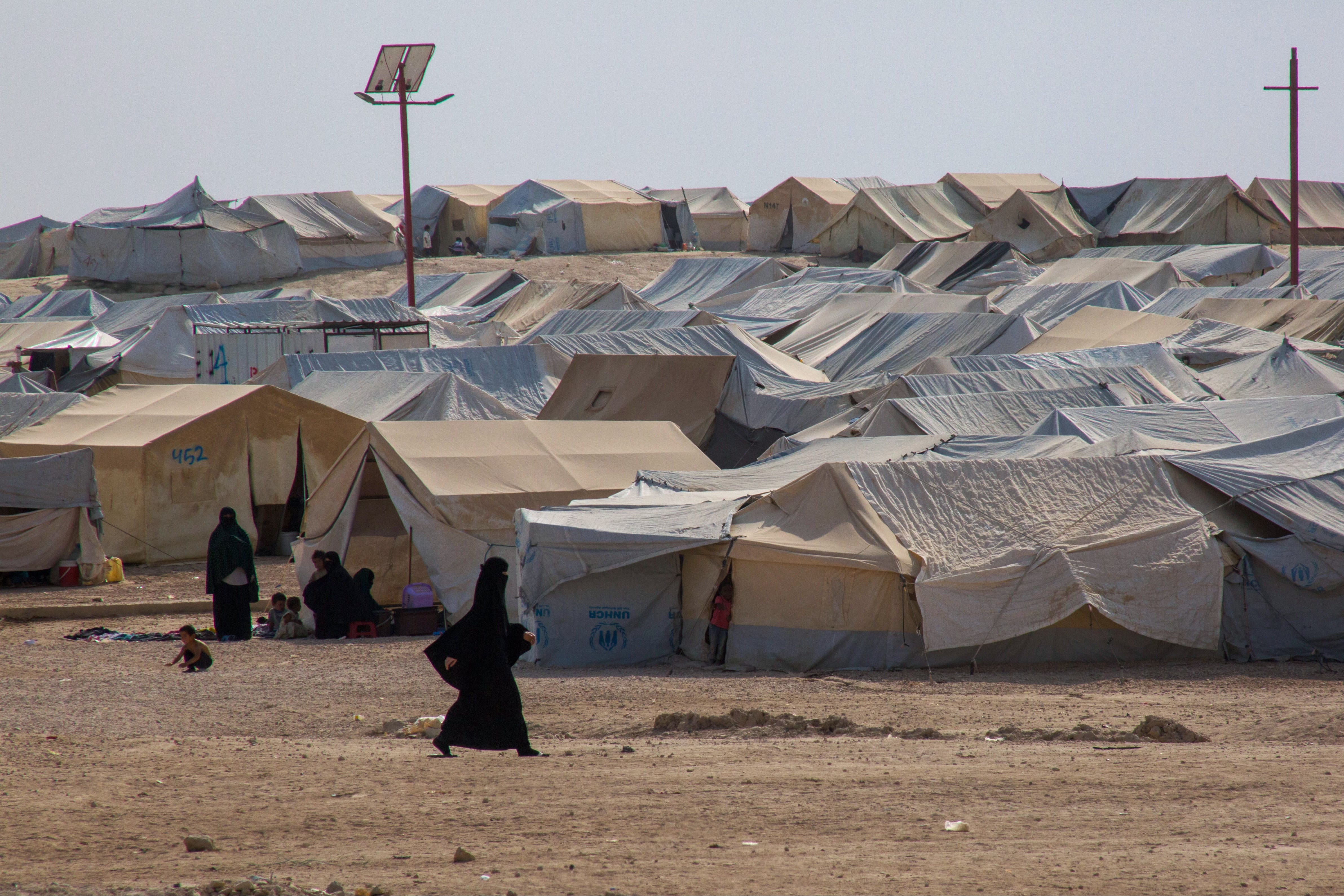
In discussions about the women and children held in camps such as al-Hol, Western analysis has tended to frame the question almost exclusively in the language of security, radicalisation, and legal responsibility. Yet on the ground in north-west Syria, particularly among communities from Idlib, a different moral vocabulary is at work—one that is neither sympathetic to ISIS nor aligned with Western assumptions about justice and rehabilitation.
For many Idlibis involved in efforts to bring these women and children back, the motivation is not ideological affinity. On the contrary, numerous families in Idlib lost relatives to ISIS violence. Fighters, activists, and civilians alike recall assassinations, imprisonment, and internecine battles that devastated their communities. The memory of that conflict remains raw. Their involvement in repatriation is therefore not an expression of forgiveness for ISIS, but rather an assertion of what they see as a religious and social obligation independent of the crimes committed.
These actors often describe the detained women as “our Muslim sisters”—a phrase that signals responsibility rather than endorsement. Within this worldview, the presence of Muslim women and children abandoned in desert camps constitutes a moral failure of the wider community. The duty to retrieve them is understood less as an act of compassion and more as an act of accountability before God: a wrong must be addressed by those closest to it, not outsourced to distant states.
Keep reading with a 7-day free trial
Subscribe to The Blood-Rep to keep reading this post and get 7 days of free access to the full post archives.